

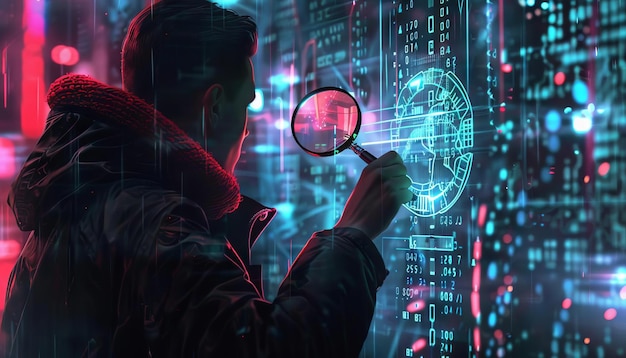
Digital technology has become woven into nearly every part of modern life, which means every action we take—online or offline—leaves some form of digital footprint. This is exactly why digital forensics investigation has become such a critical field for law enforcement, legal professionals, corporate security teams, and private investigators. The ability to locate, preserve, analyze, and interpret digital evidence can determine the outcome of a criminal case, uncover corporate misconduct, or support complex civil disputes.
This guide breaks down the fundamentals of digital forensics investigation in a practical and approachable way. Whether you’re new to the field or simply looking to understand how experts work behind the scenes, this article covers everything you need to know.
Understanding What Digital Forensics Investigation Really Means
At its core, digital forensics investigation focuses on identifying, recovering, and examining information stored on electronic devices. These devices can include computers, mobile phones, security cameras, external drives, and even cloud accounts. The objective is to uncover digital evidence that can be presented in legal, corporate, or cybersecurity settings.
Unlike general IT work, digital forensics follows strict rules to ensure the evidence found is valid and admissible. Every step must be carefully documented. Investigators must preserve original data, maintain chain of custody, and avoid altering files. The integrity of the evidence is the highest priority.
Digital forensics is also broader than many people realize. It covers several areas, including mobile forensics, network forensics, email analysis, media forensics, and video forensics. Each comes with its own tools and techniques, but the foundation remains constant: discover the truth hidden in digital data.
Why Digital Evidence Has Become So Important
Digital evidence has become one of the most reliable sources of truth in modern investigations. Devices capture everything from communication logs to timestamps, location data, media files, and more. This type of information is almost impossible to fabricate without leaving a trace, which makes it a powerful resource in legal and corporate cases.
Digital forensics investigation helps uncover activities that would otherwise remain hidden. It can support fraud investigations, expose internal theft, reveal cybersecurity breaches, or prove a suspect’s involvement in a crime. Even civil matters, such as family court or workplace disputes, now frequently rely on digital evidence.
Additionally, surveillance systems, body-worn cameras, and mobile recordings are increasingly used to reconstruct events. This is where tools like a video resolution enhancer may occasionally come into play, helping reveal clearer details in footage that would otherwise be unusable. While not the central focus of digital forensics, video enhancement can support investigators when evidence comes from poor-quality sources.
Key Stages of a Digital Forensics Investigation
To maintain fairness, accuracy, and objectivity, digital forensics follows a structured workflow. This process does not rely on guesswork. Instead, it is designed to protect evidence integrity from start to finish.
Evidence Identification
The first step is determining which devices or data sources might hold relevant information. Investigators look for computers, smartphones, servers, cloud accounts, USB drives, or security systems that may have been involved.
The challenge lies in distinguishing what matters and what does not. Because data storage is massive today, investigators must quickly identify the most important sources.
Evidence Preservation
Once the potential evidence is found, it must be secured. Preservation ensures nothing is altered, deleted, or accidentally overwritten. Forensic imaging tools are used to create exact copies of storage drives. These copies allow investigators to work freely without touching the original data.
Proper preservation protocols are vital. Everything must be recorded—including the date, time, investigator name, and device condition—to maintain chain of custody for legal admissibility.
Evidence Analysis
This is where the real investigative work begins. Analysis requires deep technical understanding of file systems, metadata, applications, and digital behavior. Investigators may uncover deleted messages, browsing activity, login timestamps, video recordings, or hidden files.
If video evidence is involved, footage may be examined to identify specific actions or individuals. Sometimes a video resolution enhancer is used to clarify important details such as faces, license plates, or objects. Enhancing resolution does not change the underlying footage; it simply improves clarity for interpretation.
Interpretation and Reporting
Once evidence is analyzed, investigators must interpret what it actually means. This goes beyond technical extraction. Interpretation requires understanding human behavior, device usage patterns, and context.
The final deliverable is a clear and neutral forensic report. It must be easy enough for non-technical readers—lawyers, judges, or clients—to understand. Reports often include timelines, screenshots, file paths, and summaries that explain what the digital evidence reveals.
Major Tools Used in Digital Forensics Investigation
Digital forensics relies on specialized tools to collect and analyze data effectively. These tools ensure accuracy, repeatability, and compliance with legal standards.
For forensic imaging, professionals use advanced solutions that capture exact replicas of storage devices. For analysis, they rely on software that can recover deleted files, examine logs, and interpret metadata. Some tools are designed for network traffic, while others specialize in mobile device extraction.
Video analysis tools are also part of the ecosystem. In cases involving surveillance or mobile recordings, investigators may use forensic-grade platforms that help stabilize footage, improve clarity, or isolate important details. When footage is of low quality, a video resolution enhancer becomes especially helpful, enabling investigators to clarify crucial visual evidence.
These tools must be used carefully, as improper handling can compromise evidence. This is why training and expertise are essential.
The Role of Video Forensics in Modern Investigations

A growing portion of digital evidence comes from video sources—CCTV cameras, smartphones, dash cams, drones, doorbell cameras, and more. As these systems become more widely used, video forensics has become a critical branch of digital forensics investigation.
Video forensics involves extracting, authenticating, and analyzing video files. Authenticity is especially important because edited or manipulated footage can mislead investigators. Forensic experts use specialized tools to detect inconsistencies, examine metadata, and review encoding patterns.
Low-quality or pixelated footage can also pose challenges. In these scenarios, enhancement tools may be applied to bring out important details. Systems similar to a video resolution enhancer can sharpen frames, reduce noise, enhance lighting, and improve visibility—without altering the factual content of the video.
This combination of authentication and enhancement plays a crucial role in revealing the truth behind visual evidence.
Challenges Faced During Digital Forensics Investigation
Although digital forensics is highly effective, it is not without challenges. Encryption, advanced privacy tools, and the rapid growth of cloud storage can make data access more difficult. Devices today generate massive volumes of information, and investigators must carefully sift through it to uncover what matters.
Another challenge is anti-forensic behavior. Some individuals use software designed to hide, scramble, or destroy data. Investigators must stay ahead of these tactics by constantly upgrading their skills and adopting modern forensic tools.
Video forensics also presents its own difficulties. Footage may be damaged, distorted, or recorded outdoors under poor lighting conditions. While tools such as a video resolution enhancer can improve clarity, not every detail can be fully restored.
Despite these challenges, digital forensics remains one of the most reliable methods for uncovering truth in modern investigations.
How Digital Forensics Supports Legal and Corporate Cases
Digital forensics does far more than assist with criminal cases. Many businesses rely on forensic experts to investigate internal issues such as data theft, policy violations, or unauthorized access. It also helps companies manage data breaches, allowing them to identify the cause, the scope, and the responsible individuals.
In legal disputes, digital forensics can uncover evidence of communication, misconduct, or contract violations. Courts today recognize digital evidence as credible and often rely on forensic reports to form conclusions.
By preserving objectivity and following strict standards, digital forensics ensures that findings are reliable, defensible, and admissible.
Why Trust in Digital Forensics Has Never Been More Important
As technology continues to evolve, so does the complexity of digital interactions. Every device we use creates a trail of data. Every message, file, login, or video recording contributes to a larger digital story. Digital forensics investigation provides the framework to uncover that story with clarity and accuracy.
Trust is essential in this field. Investigators must follow proper procedures, use validated tools, and maintain strict ethical standards. The ultimate goal is not to accuse or defend—it is to reveal the truth supported by verifiable digital evidence.
Final Thoughts
Digital forensics investigation is a sophisticated discipline that plays a crucial role in solving crimes, supporting corporate inquiries, and uncovering the digital truth behind everyday actions. It combines technical expertise, legal awareness, and precise methodology. With the rise of digital communication and recorded media, the importance of skilled forensic professionals has never been greater.
Whether the case involves a compromised network, a damaged mobile device, or blurry video footage requiring enhancement, digital forensics provides the tools and knowledge needed to uncover hidden evidence. When handled with care and professionalism, it becomes one of the most powerful investigative resources available today.