

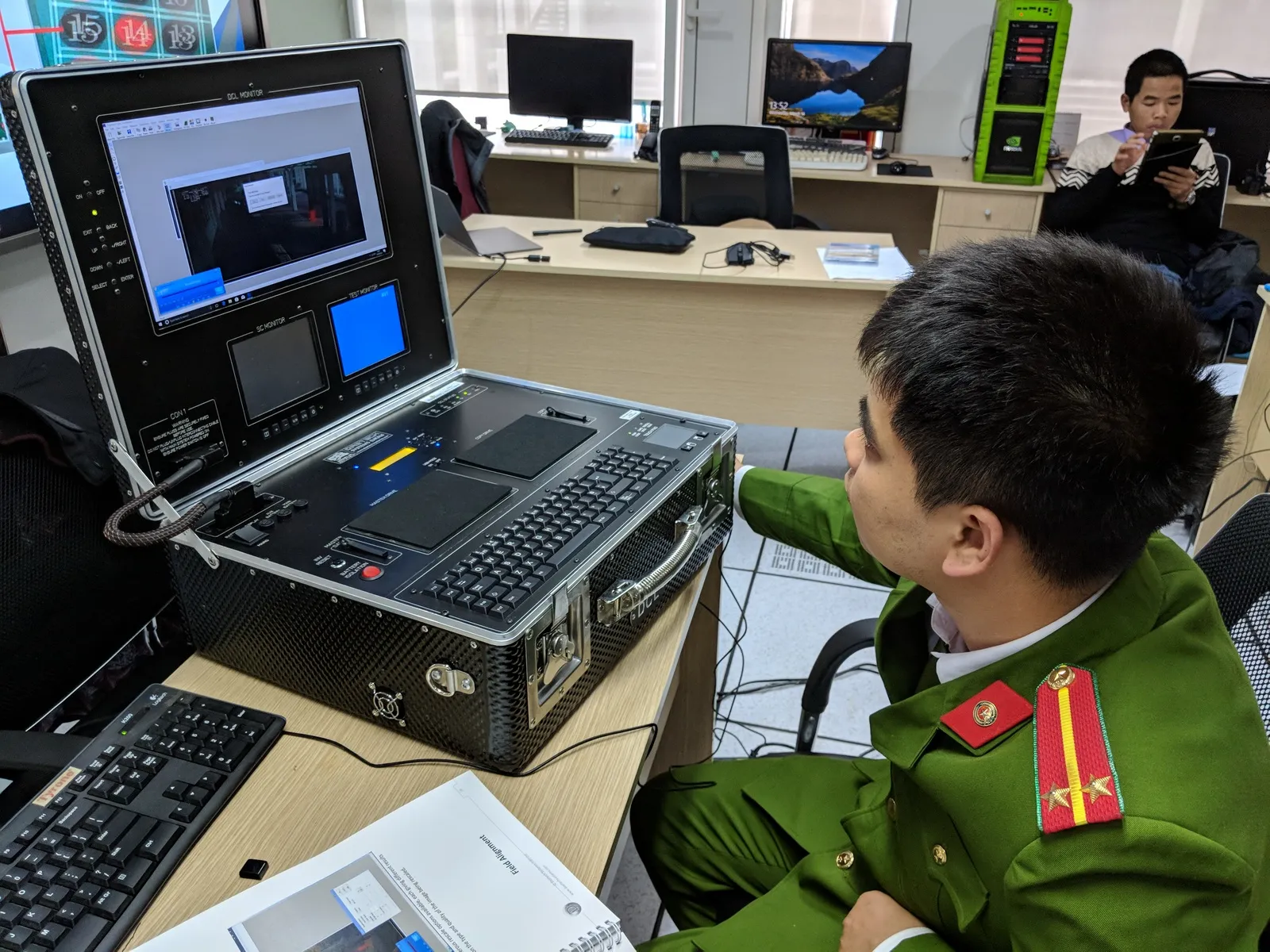
In a major incident, the CCTV recorder is often the most valuable object at the scene. It is also the one that usually has to travel to a laboratory before anyone can use it.
That delay is the problem a modern data acquisition system is built to remove. Instead of carrying evidence to the lab, you carry the lab to the evidence. Here is how that works, what separates a capable system from a box of cables, and which questions to ask before you request a quote.
What a data acquisition system does in forensic work
A forensic data acquisition system retrieves digital evidence from its source without altering it. In practice, that means pulling footage and files from CCTV recorders, storage drives and other multimedia sources, then preserving them in a form that can stand up to scrutiny.
The hard part is the variety. One scene might hold a modern digital recorder, an older analogue setup and a handful of loose drives. A system that handles only one of these leaves gaps in the evidence.
Why retrieving evidence at the scene changes the investigation
Time-critical cases reward speed. The hours spent moving evidence between scene and laboratory are hours in which investigators are working with less information than they could have.
On-scene retrieval shortens that gap. According to Daetech, the MIDAS range is designed to save investigators time and cost by bringing retrieval and forensic analysis tools directly to the scene, removing the travel between laboratory and location. Faster access to footage supports quicker decisions, and that is where intelligence gathering gains the most.
Core capabilities of a field-ready data acquisition system
Not every feature matters equally. These are the ones that decide whether a system is useful in the field.
Write-protected drive cloning
Cloning a drive without changing the original is the foundation of sound evidence handling. The MIDAS-DCL includes an integrated, write-protected hard drive cloning circuit, so cloning is part of the unit rather than a separate tool to manage.
Multiple input options
Scenes are unpredictable, so the range of supported sources matters. Daetech states that the MIDAS-DCL allows on-scene recovery from both analogue and digital CCTV and multimedia sources. Check that any system you evaluate covers the equipment you are most likely to meet.
Integrated video enhancing software
Retrieved footage is often poor: low resolution, noisy or badly lit. Enhancement software helps investigators extract usable detail. The MIDAS DCL and DCL SOLO ship with Cognitech Tri-Suite. Daetech describes Cognitech as the world’s first and oldest forensic video company, with more than 30 years of research in image and video processing.
A guided workflow
Software that guides the operator reduces the risk of mistakes under pressure. Daetech says its integrated suite follows a structured Standard Operating Procedure (SOP), with visual verification at each step. The system also comes pre-loaded with Daetech’s Evidence Management Suite (EMS). For agencies that depend on consistent procedure across many officers, a built-in workflow can matter as much as the hardware.
Power and connectivity for off-grid work
Crime scenes rarely offer a convenient wall socket. The MIDAS-DCL has an integrated battery system for off-grid working. It also has 4G, WiFi and Bluetooth, which Daetech says allow immediate dissemination of evidence to relevant agencies. Faster sharing is a direct benefit for multi-agency intelligence gathering.
Scene documentation
The page also lists advanced crime scene photogrammetry among the system’s capabilities. Combining footage retrieval and scene documentation in one kit means fewer tools to carry and reconcile.
A quick framework for evaluating any system
Use these five questions to compare options on equal terms.
- Does it preserve the original? Look for write-protected cloning built into the workflow.
- Does it cover your sources? Match supported inputs to the recorders you actually encounter.
- Can it enhance as well as retrieve? Check whether analysis tools are integrated or a separate purchase.
- Will a new officer use it correctly? Ask how the workflow guides the operator and verifies each step.
- Can it work where you work? Confirm battery life, portability and the communications you need.
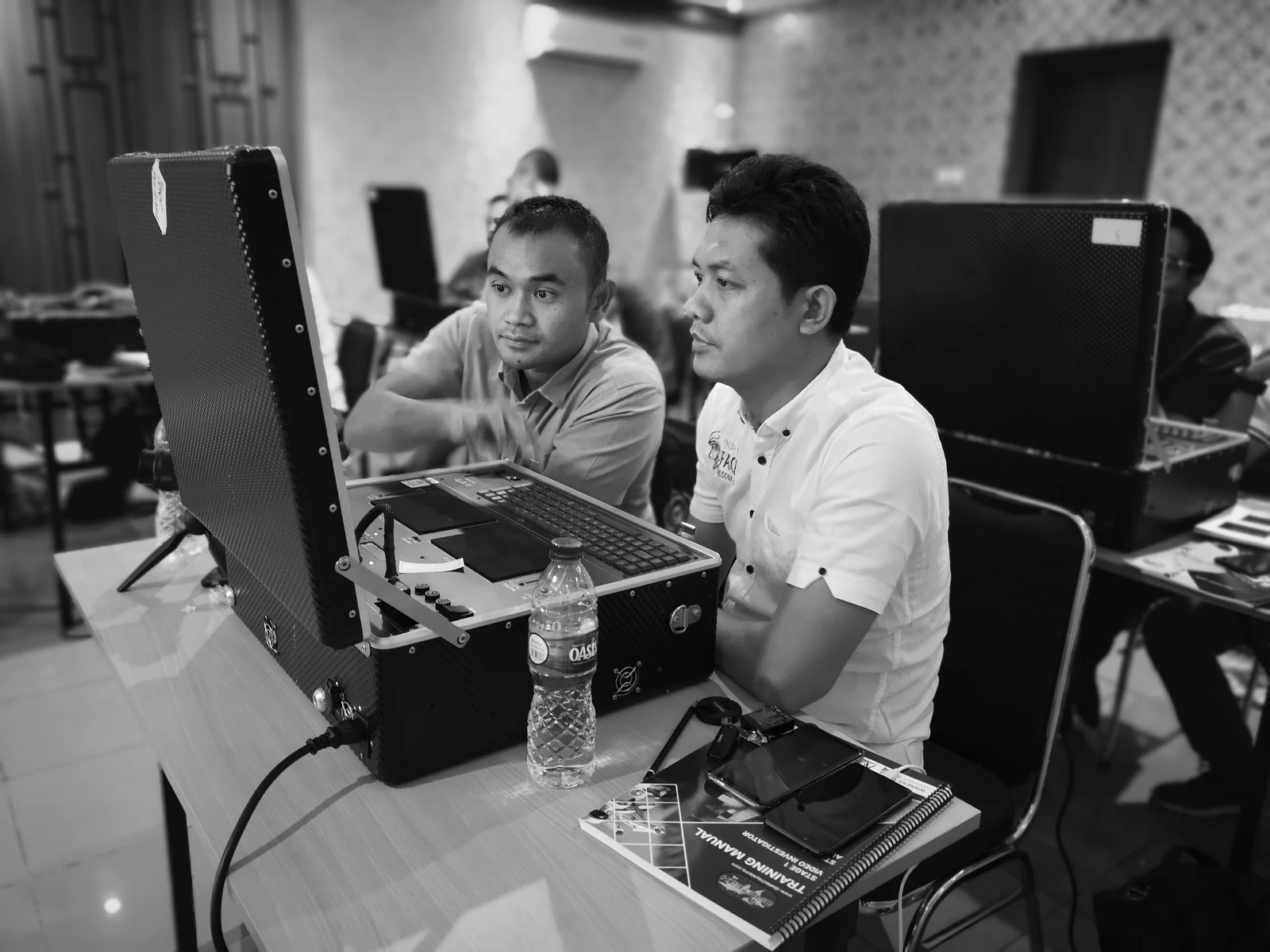
If you also need training and ongoing support, ask about those early. Daetech’s page shows practical training delivered to officers in locations such as Dubai and Indonesia, and its solutions menu lists a training offering.
Who uses systems like this
Daetech says the MIDAS range is used by law enforcement, intelligence agencies, military, counter-terror units, scenes of crime teams and forensic institutions worldwide. The shared need is the same across all of them: dependable evidence retrieval, delivered quickly, without losing procedural discipline.
The takeaway
A good data acquisition system does three things well. It captures evidence without altering it, works across the formats you meet, and puts usable results in front of decision-makers quickly. Portability, a guided workflow and integrated enhancement then decide whether it earns a place in your kit.
If you are comparing options, the MIDAS-DCL-SOLO is a useful reference point for what an integrated, field-ready approach looks like. You can request information or a quotation from Daetech through the MIDAS page.
FAQ
What is a forensic data acquisition system? It is a set of hardware and software used to retrieve digital evidence, such as CCTV footage, from its source while preserving the original data. Field versions are portable so retrieval can happen at the scene.
Why is write protection important? Write protection prevents any change to the original drive during cloning, which helps keep the evidence reliable and defensible.
Can one system handle both analogue and digital CCTV? Some can. Daetech states the MIDAS-DCL supports on-scene recovery from analogue and digital CCTV and multimedia sources. Always confirm supported formats against your own equipment.
Do I need separate software to enhance retrieved video? Not necessarily. Integrated systems include analysis tools. The MIDAS DCL and DCL SOLO come with Cognitech Tri-Suite for forensic video enhancement.
How does on-scene retrieval help intelligence gathering? It removes the laboratory delay, so investigators can review and share evidence sooner, which supports faster operational decisions.