

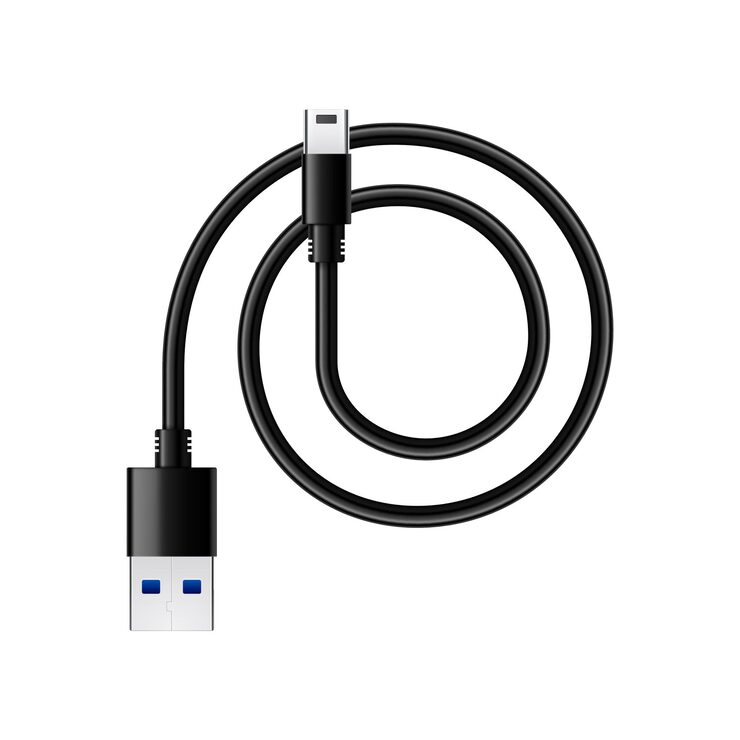
In today’s tech-driven world, charging cables are more than just simple accessories—they are lifelines that keep our devices powered and ready for action. Whether it’s your smartphone, tablet, laptop, or wearable gadgets, having the right charging cables can make a huge difference in convenience, speed, and durability.
Many people overlook this, settling for cheap or incompatible cables, only to face frustration with slow charging or damaged devices. Understanding what makes a good charging cable, how to choose the right one, and caring for it properly can save you money and keep your gadgets running smoothly. Let’s dive into everything you need to know about charging cables so you can make informed choices that truly benefit your tech lifestyle.
Understanding charging cables: Types and Technologies
There are several types of charging cables available, each designed for specific devices and charging standards. The most common types include USB Type-A to Micro USB, which is still widely used for older smartphones and many accessories; USB Type-C, known for its reversible connector and fast charging capabilities and rapidly becoming the standard for most new devices; and Lightning cables, exclusive to Apple products, which offer reliable charging and data transfer for iPhones, iPads, and other Apple accessories.
Choosing the right cable involves more than just matching the connector. You should consider the charging speed (wattage and amperage), cable length, build quality, and compatibility with your device’s charging technology, such as Quick Charge or Power Delivery. These factors can drastically affect the efficiency and safety of your device’s charging experience.
How to Choose the Best charging cables for You?
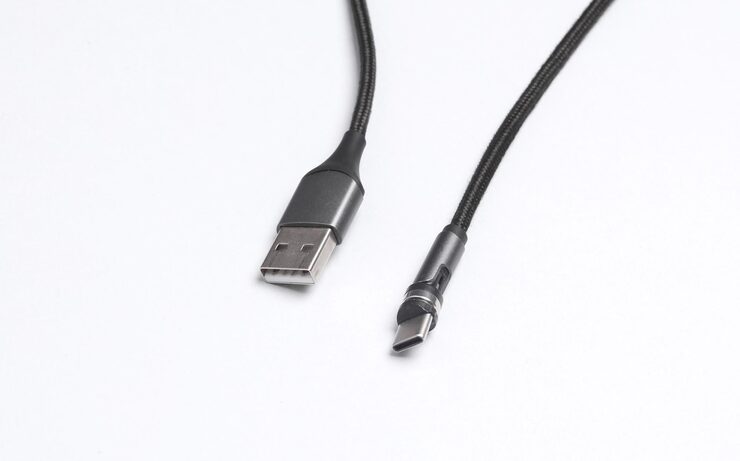
Selecting the perfect charging cables might seem overwhelming with so many options on the market, but focusing on quality and compatibility will guide you well. One essential tip is to look for cables with certifications like MFi (Made for iPhone) or USB-IF, which ensure safety and compatibility. Additionally, opt for durable materials like braided nylon or reinforced connectors to withstand daily wear and tear. Consider the charging speed your device supports since faster cables can save you significant time. If portability matters, choose a compact or retractable cable that fits easily in your bag or pocket.
Investing a little more in a quality charging cable can prevent damage to your device’s battery and save you from frequent replacements. It’s a smart choice that pays off for convenience and longevity.
Caring for Your charging cables: Extend Their Lifespan
Taking good care of your charging cables ensures they last longer and perform reliably. Avoid bending the cable sharply near the connectors, as this is where most cables tend to fail. Store your cables loosely coiled rather than tightly wound to prevent internal wire damage. Keep the cable clean and dry—moisture and dirt can degrade performance. Also, when unplugging, pull from the connector head instead of tugging the cable itself. By practicing these simple habits, you’ll get the most out of your charging cables and enjoy uninterrupted power for your devices.
Conclusion: Don’t Underestimate the Power of a Great charging cable
Charging cables might seem like small, insignificant accessories, but their impact on your device’s performance and your daily convenience is huge. Choosing the right cable—one that matches your device, offers durability, and supports fast charging—is an investment worth making. With proper care, your charging cables will serve you well for a long time, keeping your tech ready to go whenever you are. Next time you need a new cable, think beyond the price tag. Focus on quality, compatibility, and longevity. Your devices will thank you for it!